
A well-crafted blazer is one of the most versatile garments you can own. It possesses the unique ability to structure a casual t-shirt and jeans, sharpen a professional workwear ensemble, or complete an evening outfit. However, choosing an everyday blazer requires finding a balance between tailoring, fabric weight, and silhouette—ensuring the jacket moves comfortably with you throughout the day without feeling like a rigid uniform.
Selecting and styling the ideal everyday blazer comes down to understanding key construction details, picking adaptable colors, and mastering casual and elevated pairings.
1. Finding the Right Fit and Silhouette
An everyday blazer should feel comfortable, structured, and effortless. Pay close attention to how the jacket sits across three critical areas:
The Shoulders
The shoulder fit dictates the entire structure of the blazer and is the most difficult area to alter. The shoulder seam should align precisely where your collarbone meets your arm.
-
Soft Shoulders: Unstructured or lightly padded shoulders offer a relaxed, modern drape suitable for casual settings.
-
Structured Shoulders: Built-in shoulder pads create a sharp, architectural silhouette that adds formal polish.
The Lapel and Closure
-
Single-Breasted: Featuring a single column of buttons, single-breasted blazers are highly versatile. Worn open, they create long vertical lines that elongate the torso; buttoned up, they provide a clean, streamlined shape.
-
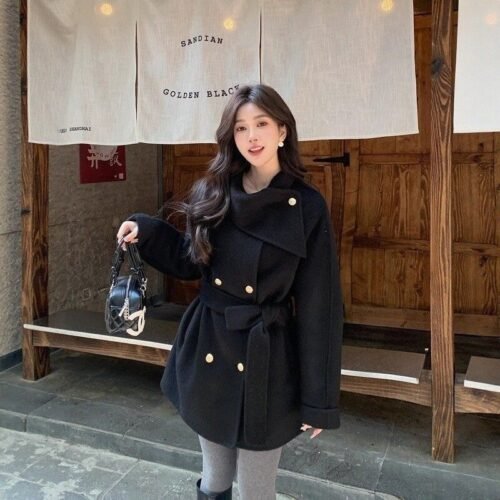
Double-Breasted: Featuring overlapping front flaps with two columns of buttons, double-breasted blazers offer a bolder, dressier look. They carry more visual weight and work exceptionally well for structured tailoring.
The Length
-
Classic Length: The bottom hem skims just past the hip bone. This traditional proportion works seamlessly with tailored trousers, skirts, and dresses.
-
Oversized / Longline: Extends past the hips toward the upper thigh. An oversized blazer creates a relaxed, contemporary look that pairs exceptionally well with straight-leg denim or bike shorts.
2. Selecting Fabric and Color for Longevity
For a blazer meant to be worn multiple times a week, prioritize durable fabrics and adaptable tones that integrate easily into your existing closet.
┌─────────────────────────────────────────────────────────────┐
│                 BLAZER FABRIC SELECTION GUIDE               │
├───────────────┬─────────────────────────────┬───────────────┤
│ Fabric        │ Best Season                 │ Key Quality   │
├───────────────┼─────────────────────────────┼───────────────┤
│ Wool Blend    │ Autumn, Winter, Spring      │ Wrinkle-      │
│               │                             │ resistant     │
│ Cotton Twill  │ Year-round                  │ Structured &  │
│               │                             │ breathable    │
│ Linen Blend   │ Spring, Summer              │ Lightweight,  │
│               │                             │ airy drape    │
│ Hopsack /     │ Year-round                  │ Textured,     │
│ Tweed         │                             │ highly durable│
└───────────────┴─────────────────────────────┴───────────────┘
-
Color Foundations: Neutral shades—such as navy, charcoal gray, rich camel, or classic black—offer maximum outfit combinations. Navy and camel, in particular, soften casual outfits better than stark black.
-
Subtle Patterns: Houndstooth, glen plaid, and delicate pinstripes introduce visual texture without overwhelming the rest of your outfit.
3. Versatile Styling Formulas for Every Day
Option A: The Elevated Casual Look
Pair a slightly oversized single-breasted blazer in camel or navy with a clean white crewneck t-shirt, medium-wash straight-leg jeans, and minimal white leather sneakers. The structured jacket immediately elevates the simple tee and denim.
Option B: The Modern Workwear Ensemble
Combine a dark charcoal single-breasted blazer with a fine-gauge knit turtleneck, high-waisted wide-leg tailored trousers, and pointed-toe leather flats or loafers. This combination delivers professional structure while staying completely comfortable for desk work.
Option C: The Evening Transition
Drape a double-breasted black or houndstooth blazer over a fluid slip dress or high-neck midi dress, paired with leather ankle boots. Leaving the blazer unbuttoned allows the fluid fabric beneath to create elegant movement.
4. Smart Buying and Quality Checklist
Before purchasing, check these practical details:
-
Arm Mobility: Button the blazer and extend your arms forward. The fabric across your upper back should allow comfortable movement without pulling excessively tight or tearing at the rear seam.
-
Lining Quality: A fully lined blazer glides smoothly over sweaters and shirts without catching. Look for breathable linings like viscose, Bemberg, or rayon rather than 100% synthetic polyester.
-
Pockets: Functional welt or flap pockets add utility. Check that the pocket flaps lay flat against the jacket without bulging outward.
Frequently Asked Questions
Should I buy an oversized blazer in my true size or size up?
Most modern “oversized” blazers are specifically cut with dropped shoulders and extra room through the torso in your standard size. Buying your true size ensures the sleeves and shoulder points stay proportional while giving you the relaxed look. Only size up if you are tailoring a standard classic-fit blazer into an oversized shape.
Can an everyday blazer be worn buttoned and unbuttoned?
Yes. An everyday blazer should be cut to look intentional both ways. Worn unbuttoned, it creates a casual, fluid vertical line. Buttoned up, it creates a more structured, formal waistline. When trying on a blazer, always check how the jacket drapes in both positions.
About the author : Kevin Demitri