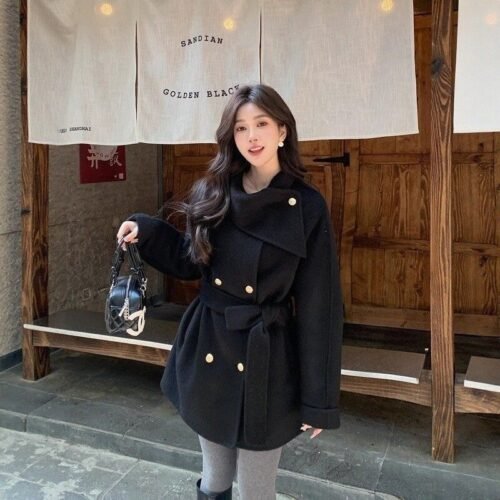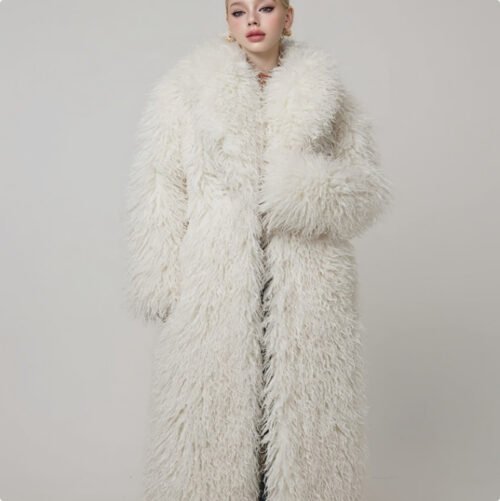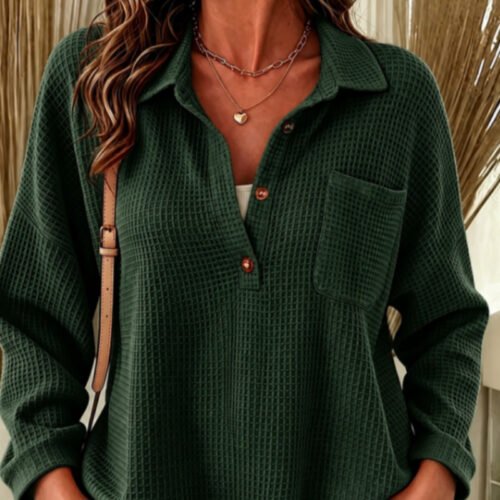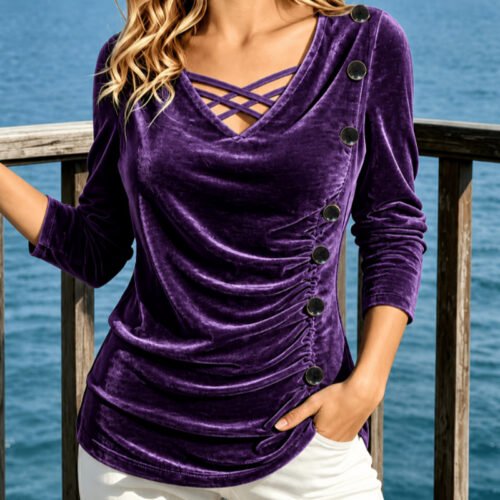

Dressing for your body shape is not about masking, correcting, or hiding your physical form to meet arbitrary fashion rules. Instead, it is a practical tool for understanding how different cuts, seams, fabrics, and proportions interact with your unique silhouette. When you know which garments balance your frame comfortably, getting dressed becomes an intuitive process focused on personal expression and physical ease rather than frustration.
Developing this sartorial confidence requires shifting away from restrictive styling myths and learning how to use structural lines, focal points, and tailoring to your advantage.
Moving Beyond “Flaws” and Rigid Rules
Traditional fashion advice has long relied on corrective language—instructing people to “hide wide hips,” “create the illusion of a waist,” or “minimize broad shoulders.” This approach creates an adversarial relationship with your own body.
-
The Goal of Silhouetting: Clothing is simply architectural fabric draping over bone structure and muscle. Balancing proportions is about creating visual harmony, rhythm, and comfort.
-
Prioritizing Fit over Labels: Standard clothing sizes are mass-market approximations, not personal evaluations. A garment that feels uncomfortable or restricts natural movement is poorly fitted for you, regardless of what the tag says.
Understanding Key Proportions and Lines
To build an outfit that feels balanced, look at how your vertical line and horizontal divisions interact.
1. The Vertical Line
Your vertical line refers to your overall height and how uninterrupted length is perceived.
-
Monochromatic dressing (wearing similar shades from top to bottom) creates a continuous vertical line that lengthens the silhouette.
-
High-waisted trousers paired with a tucked-in top shift the perceived waistline upward, lengthening the appearance of the legs.
2. Horizontal Breaks
Every garment creates a horizontal line where it ends—such as jacket hems, belt lines, trouser cuffs, or neckline cuts.
-
Where a horizontal line sits draws the eye. If a hemline cuts across the widest part of your calves or hips, it visually widens that area. Shifting the hem slightly above or below that point creates a more harmonious line.
Tailoring Silhouettes by Focal Focus
Rather than categorizing bodies into rigid fruit shapes, it is more practical to look at how you wish to distribute visual weight using clothing construction.
┌─────────────────────────────────────────────────────────────┐
│               BALANCING PROPORTIONS & SILHOUETTES           │
├───────────────────────┬─────────────────────────────────────┤
│ If You Want To...     │ Use These Design Techniques         │
├───────────────────────┼─────────────────────────────────────┤
│ Elongate Your Frame   │ Vertical stripes, monochromatic     │
│                       │ color schemes, longline coats,      │
│                       │ high-waisted bottoms.               │
├───────────────────────┼─────────────────────────────────────┤
│ Define the Waist      │ Wrap dresses, belted trenches,      │
│                       │ structured high-rise trousers,      │
│                       │ tailored blazers with nipped waists.│
├───────────────────────┼─────────────────────────────────────┤
│ Soften Sharp Angles   │ Fluid fabrics (silk, modal),        │
│                       │ draped necklines, bias-cut skirts,  │
│                       │ soft knitwear.                      │
├───────────────────────┼─────────────────────────────────────┤
│ Add Structural Weight │ Structured shoulders, double-breasted│
│                       │ jackets, textured weaves, pleating. │
└───────────────────────┴─────────────────────────────────────┘
Practical Styling Strategies for Everyday Wear
1. Master the Art of Tailoring
Off-the-rack clothing is manufactured to fit an idealized average, meaning almost everyone requires minor adjustments. Taking a pair of trousers or a blazer to a local tailor to adjust sleeve length, hem trousers, or take in a waistline transforms an average garment into a bespoke piece that flatters your exact proportions.
2. Experiment with Proportions (The Rule of Thirds)
Visually dividing an outfit into equal halves (50/50) can sometimes look blocky. Splitting your outfit into thirds—such as a cropped top taking up one-third and high-waisted trousers taking up two-thirds, or a long coat taking up two-thirds over a simple base—creates natural visual interest and balance.
3. Direct the Eye with Color and Texture
Where you place bright colors, bold patterns, or high-contrast textures naturally draws focus. If you love your shoulders and collarbones, draw attention upward with a statement neckline or scarf. If you want to highlight footwear, pair clean ankle boots with cropped tailored trousers.
Building Confidence in the Dressing Room
Shopping and getting dressed should be an affirming experience. Use these practical habits to maintain confidence:
-
Ignore the Size Number: Grab two or three sizes of a garment if you are unsure. Sizing varies wildly between brands and fabric compositions.
-
Evaluate Fabric and Movement: Do not judge a garment while standing completely rigid in front of a mirror. Sit down, raise your arms, walk around, and check how the fabric stretches and breathes.
-
Wear What Feels Like You: The most confident outfit is always the one that aligns with your personal aesthetic and daily comfort. If a trending silhouette feels entirely unnatural to your personal taste, skip it. True style comes from ease, not compliance.
Frequently Asked Questions
How do I know if a garment is proportioned correctly for me?
Check where the structural seams sit. On a well-fitting jacket or shirt, the shoulder seams should align precisely with the outer edge of your natural shoulder bone. For trousers, the rise should sit comfortably at your natural waist or hips without pinching or sagging.
Is it necessary to wear belts to define a waist?
Not at all. While belts are an easy tool for creating a waistline, monochromatic dressing, tailored wrap tops, high-rise cuts, and garments with built-in darts or seams achieve the exact same structural balance without requiring an accessory.
About the author : Kevin Demitri