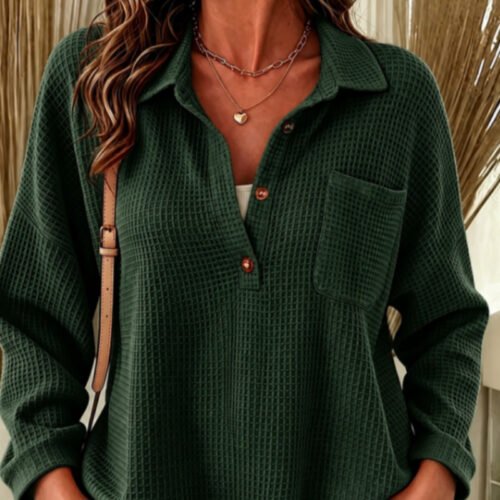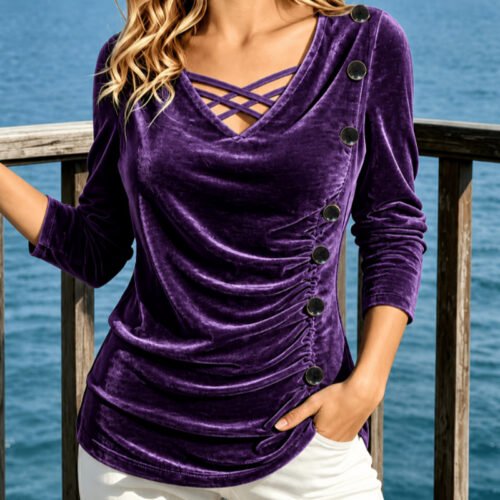

Transitioning your wardrobe between seasons protects your clothing investments and keeps your active closet uncluttered. Tossing garments haphazardly into bins until next year risks permanent fabric damage from hidden stains, moisture retention, and pest infestations.
Proper seasonal storage relies on methodical preparation, breathable packaging, and controlled storage environments.
Step 1: Clean Everything Thoroughly First
Never store garments without laundering them first. Even if an item looks clean after a single wear, microscopic traces of body oils, sweat, food residue, and deodorant sit trapped in the fibers.
-
The Risk: Over months in storage, invisible organic residue oxidizes, turning into yellow stains and attracting clothes moths.
-
Action: Wash or dry-clean every item before packing it away. Ensure garments are 100% bone-dry before sealing them, as trapped moisture encourages mildew growth.
Step 2: Audit and Purge Before Packing
Use seasonal transitions as a natural checkpoint to evaluate your wardrobe.
-
The 12-Month Rule: If you did not wear an item during the entire season it was active, evaluate whether it still serves your style.
-
Action: Donate, sell, or repair items that no longer fit or match your aesthetic before taking up valuable storage space.
Step 3: Choose Breathable Storage Containers
The container you choose dictates how well your fabrics breathe over a multi-month hibernation.
-
Avoid Sealed Plastic Bins: Air-tight plastic storage containers trap ambient humidity inside. If temperatures fluctuate, condensation forms inside the bin, creating a breeding ground for mold and mildew.
-
Opt for Breathable Materials: Use canvas storage bags, cotton garment covers, or heavy-duty cardboard archival boxes lined with acid-free tissue paper. These allow air circulation while blocking dust and light.
Step 4: Fold vs. Hang Correctly
How you store garments determines whether they retain their structural integrity.
-
Fold Heavy Knits: Always fold wool, cashmere, and heavy cotton sweaters flat. Hanging wet or stored knitwear stretches the shoulder seams permanently. Stack sweaters with sheets of acid-free tissue paper between them to prevent friction.
-
Hang Structured Outerwear: Blazers, wool overcoats, and structured dresses should be hung on wide wooden or padded hangers in breathable garment bags. Button all buttons and zip zippers to maintain the garment’s natural shape.
Step 5: Defend Against Pests Naturally
Natural protein fibers (wool, silk, cashmere, and leather) are primary targets for textile-destroying clothes moths and carpet beetles.
-
Use Natural Repellents: Place cedar blocks, cedar chips, or dried lavender sachets inside your storage containers. Cedar oil repels pests while leaving a pleasant scent.
-
Avoid Toxic Mothballs: Traditional chemical mothballs contain naphthalene or paradichlorobenzene, which leave a toxic, stubborn odor that requires multiple washes to remove.
Step 6: Select the Ideal Storage Environment
Where you place your storage bins matters just as much as how you pack them.
-
Avoid Attics and Basements: Attics experience extreme heat fluctuations that bake fabric fibers, while damp basements encourage mold growth.
-
Ideal Locations: Store bins in a temperature-controlled, dark, dry space—such as the top shelf of a bedroom closet, under-bed storage drawers, or a dedicated hallway wardrobe.
Seasonal Storage Quick Reference Matrix
| Garment Type | Storage Method | Protection Priority |
| Wool & Cashmere Sweaters | Folded flat in canvas bins | Cedar blocks, acid-free tissue |
| Tailored Blazers & Coats | Padded hangers, garment bags | Buttoned up, dust covers |
| Silk Blouses & Dresses | Padded hangers or rolled loosely | Kept away from direct sunlight |
| Denim & Heavy Trousers | Cleanly folded or hung straight | Completely dry, zero moisture |
Frequently Asked Questions
Should I vacuum-seal my seasonal clothes to save space?
Vacuum-sealed plastic bags save physical space, but they are disastrous for natural fibers. Squeezing wool, cashmere, and structured garments under intense pressure crushes the yarn structure, breaks delicate fibers, and creates permanent, deep creases that are difficult to steam out. Use breathable storage boxes instead.
How often should I air out stored seasonal clothing?
If you store clothing for longer than six months, it is good practice to open the storage bins once midway through the season on a dry, sunny day. Let the garments breathe for a few hours in a well-ventilated room to release any trapped stagnant air before repacking them.
About the author : Kevin Demitri