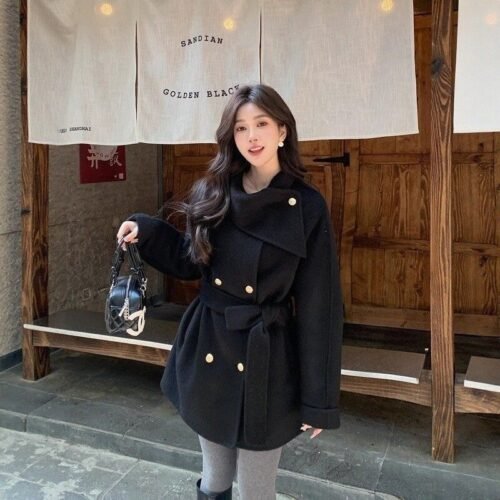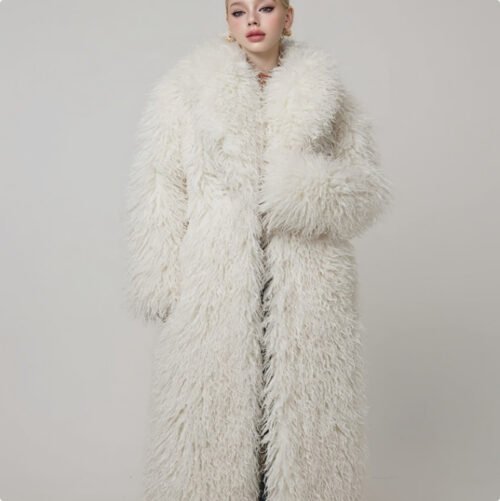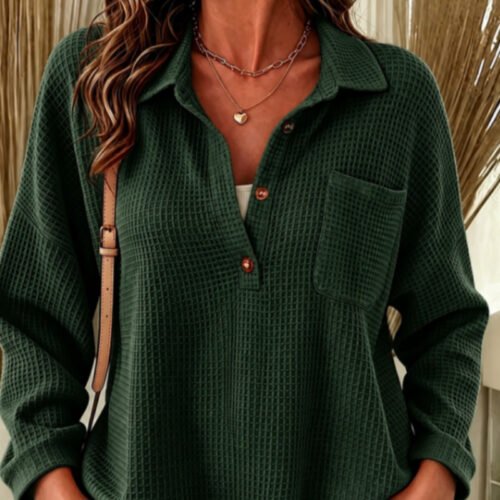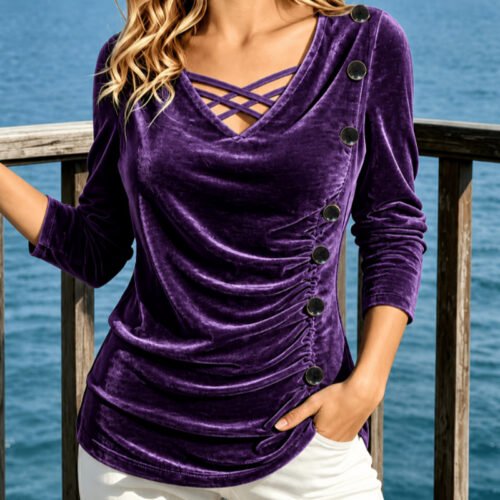

Building a sustainable wardrobe is about breaking the cycle of constant consumption and shifting toward a mindful, long-term approach to personal style. The fashion industry is one of the largest global contributors to waste and carbon emissions, largely driven by fast fashion models that treat clothing as disposable. Shopping smart does not mean sacrificing personal style; rather, it means curating a closet where every piece has a clear purpose, high durability, and ethical provenance.
Transitioning to an eco-conscious wardrobe requires evaluating fabric lifecycles, auditing your current purchasing habits, and mastering the art of mindful acquisition.
Step 1: Audit and Maximize What You Already Own
Before buying a single sustainable or ethical garment, the most environmentally friendly action you can take is to maximize the utility of the clothes currently hanging in your closet.
-
The 30-Wear Test: Before purchasing a new item, ask yourself whether you will realistically wear it at least 30 times. If the answer is no, it is likely a short-lived trend or an impulse buy.
-
Shop Your Closet First: Often, closets are cluttered with underutilized items simply because they were poorly styled. Experiment with new layering combinations, tucking methods, or accessorizing to breathe new life into older garments.
-
Repair and Tailor: A missing button, a split seam, or a loose hem does not mean a garment is finished. Learning basic mending skills or taking items to a local tailor extends the wearable lifespan of your favorite pieces by years.
Step 2: Prioritize Sustainable and Durable Fabrics
Fabric composition is the primary indicator of a garment’s longevity and environmental impact. Natural and regenerative fibers degrade naturally and outlast cheap synthetic blends.
┌─────────────────────────────────────────────────────────────┐
│                 SUSTAINABLE FABRIC GUIDE                    │
├───────────────────┬──────────────────┬──────────────────────┤
│ Fiber Type        │ Environmental    │ Lifespan & Durability│
│                   │ Impact           │                      │
├───────────────────┬──────────────────┬──────────────────────┤
│ Organic Linen     │ Very Low         │ Exceptionally Long   │
│ Organic Cotton    │ Low-Medium       │ High (holds shape)   │
│ Recycled Cashmere │ Low              │ High (with care)     │
│ Virgin Polyester  │ High (Synthetic) │ Low (sheds micro-    │
│                   │                  │ plastics)            │
│ Rayon / Viscose   │ Variable         │ Moderate             │
└───────────────────┴──────────────────┬──────────────────────┘
-
Look for Certifications: When buying cotton, linen, or wool, look for trusted third-party certifications such as GOTS (Global Organic Textile Standard) or OEKO-TEX, which ensure responsible farming and manufacturing processes without toxic chemical runoff.
-
Avoid Virgin Synthetics: Polyester, nylon, and acrylic are plastic-based fibers derived from petroleum. They shed microplastics into water systems during every wash cycle and take centuries to decompose.
Step 3: Master the Mindful Purchasing Protocol
Adopting a sustainable mindset means slowing down the acquisition process. Implement a waiting period before finalizing purchases.
-
The 48-Hour Rule: When you feel the urge to buy a non-essential clothing item online or in-store, add it to your cart or leave it on the rack for at least 48 hours. If you still genuinely want and need it after two days, proceed. If the impulse has faded, you have successfully avoided waste.
-
Evaluate Cost-Per-Wear: A cheap $20 fast-fashion shirt that falls apart after three washes costs significantly more per wear than a high-quality $80 organic cotton shirt that lasts for five years. Shift your mental math from total price to cost-per-wear.
-
Research Brand Transparency: Support brands that publish clear information about their supply chains, worker wages, factory conditions, and environmental initiatives. True sustainable brands welcome transparency rather than hiding behind vague marketing buzzwords like “eco-friendly” or “conscious collection.”
Step 4: Explore Secondhand and Vintage Sourcing
Buying secondhand is the ultimate form of sustainable fashion because it requires zero new resource extraction, manufacturing emissions, or water waste.
-
Thrift and Consignment Markets: Local thrift stores, vintage boutiques, and online resale platforms (like Vestiaire Collective or Depop) are treasure troves for high-quality vintage tailoring, leather goods, and heavy wool outerwear that were built to last decades.
-
Clothing Swaps: Organize clothing swap events with friends or local communities. Items that no longer serve your wardrobe find a new home, and you get “new” pieces without spending money or generating environmental footprint.
Frequently Asked Questions
Is sustainable fashion always expensive?
New garments produced under ethical, fair-trade conditions using certified organic materials do cost more upfront because fair wages and sustainable farming require higher investment. However, building a sustainable wardrobe often costs less over time because you buy significantly fewer items and prioritize durability over volume. Furthermore, secondhand shopping offers an ultra-budget-friendly entry point to sustainable style.
How can I spot “greenwashing” from clothing brands?
Greenwashing occurs when brands use misleading marketing to appear more environmentally friendly than they actually are. Watch out for vague terms like “eco,” “natural,” or “green” without supporting data. Look instead for concrete certifications (like GOTS or Fair Trade), transparent supply chain disclosures, and verifiable commitments to reducing carbon emissions and waste.
About the author : Kevin Demitri