
Building a timeless capsule wardrobe is about shifting focus away from rapid micro-trends and toward garments defined by clean lines, durable construction, neutral palettes, and high versatility. A well-designed capsule allows you to mix and match nearly every top with every bottom, drastically reducing daily decision fatigue while ensuring you always look put together.
Creating this wardrobe from scratch requires a deliberate process: auditing your baseline needs, selecting a neutral color palette, investing in high-quality foundational pieces, and layering in seasonal accents without cluttering your closet.
Step 1: Define Your Core Palette and Formula
Before purchasing a single hanger, establish the visual framework of your wardrobe. A cohesive palette ensures that items bought months apart still work seamlessly together.
-
The Foundation Neutrals (70% of your wardrobe): Choose black, white, navy, charcoal gray, or beige as your base. Pick one dark neutral (like navy or black) and one light neutral (like crisp white, cream, or light gray) to anchor your outfits.
-
The Secondary Neutrals (20%): Add supportive tones such as olive green, camel, chocolate brown, or soft gray to bridge gaps between your main base colors.
-
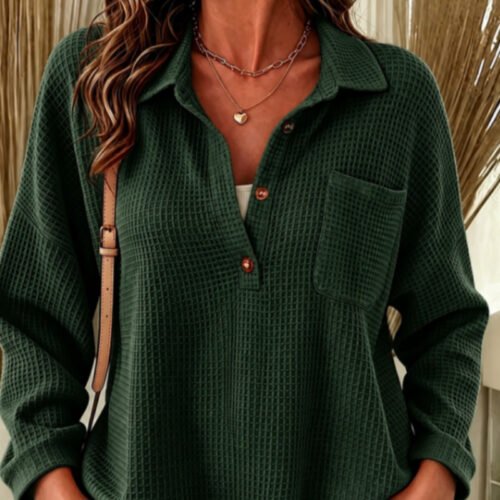
The Accent Tones (10%): Introduce small pops of color through accessories, knitwear, or shirts. Classic options include burgundy, forest green, muted mustard, or classic blue.
Step 2: Build from the Foundation Up
A functional capsule wardrobe is built in layers, starting with undergarments and basics, moving outward to mid-layers, and finishing with outerwear.
1. The Tops
-
Crisp Button-Down Shirts: At least one structured white cotton poplin shirt and one chambray or light blue alternative. They work tucked into trousers, worn loose over jeans, or layered under sweaters.
-
Basic Tees and Tanks: High-weight cotton crewneck and V-neck t-shirts in white, black, and gray. Avoid ultra-thin synthetic blends that lose their shape quickly.
-
The Classic Knitwear: A fine-gauge merino wool or cashmere crewneck sweater, plus a structured cardigan or turtleneck for cooler months. Stick to solid, texture-rich weaves.
2. The Bottoms
-
Tailored Trousers: A pair of straight-leg trousers in black, navy, or charcoal. They transition easily from professional meetings to casual weekend wear depending on your footwear.
-
Quality Denim: One medium-wash and one dark-indigo pair of jeans in a classic cut—such as straight-leg or slim-straight—that flatters your frame without relying on heavily distressed or trendy washes.
-
Versatile Skirts or Chinos: Depending on personal style preference, a structured midi skirt, pleated trousers, or tailored cotton chinos provide variance.
3. The One-Piece Garments
-
The Tailored Blazer: A structured single-breasted blazer in navy, charcoal, or houndstooth. Throwing a blazer over a basic white tee instantly elevates casual denim into a sharp outfit.
-
The Versatile Dress: A simple, high-quality midi dress in a neutral solid color that can be dressed up with heels or dressed down with clean leather sneakers.
4. Outerwear
-
The Trench Coat: A mid-length beige or black double-breasted trench coat offers wind and rain resistance while maintaining an elegant silhouette.
-
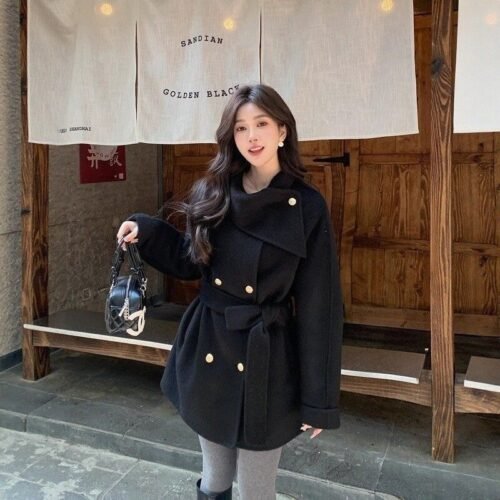
The Everyday Jacket: A leather biker jacket, a tailored wool overcoat, or a structured utility jacket, depending on your local climate.
Step 3: Select Footwear and Accessories
Accessories and shoes tie a capsule wardrobe together. Keep hardware finishes consistent (e.g., choosing either all silver or all gold jewelry and belt buckles).
-
Footwear Essentials:
-
Clean, minimal white leather sneakers
-
Classic leather loafers or ballet flats
-
Versatile leather ankle boots
-
A comfortable pair of formal dress shoes or heels
-
-
Accessory Essentials:
-
A structured leather everyday tote or handbag
-
A minimalist leather belt in black or brown with a simple buckle
-
A classic analog watch or simple jewelry pieces
-
A neutral wool scarf and leather gloves for winter
-
Step 4: Quality Check and Fabric Selection
When building from scratch, prioritize fabric composition over brand labels. Natural fibers breathe better, drape more naturally, and outlast synthetic counterparts by years.
┌─────────────────────────────────────────────────────────────┐
│                   FABRIC SELECTION GUIDE                    │
├───────────────┬─────────────────────────────┬───────────────┤
│ Fabric        │ Best Used For               │ Key Benefit   │
├───────────────┼─────────────────────────────┼───────────────┤
│ Cotton        │ Shirts, tees, denim, chinos │ Breathable    │
│ Wool / Merino │ Sweaters, winter trousers   │ Temperature   │
│               │                             │ regulation    │
│ Cashmere      │ High-end knitwear           │ Exceptional   │
│               │                             │ softness      │
│ Linen         │ Summer shirts, trousers     │ Maximum airflow│
│ Silk          │ Blouses, slip dresses       │ Elegant drape │
└───────────────┴─────────────────────────────┴───────────────┘
-
Inspect the Seams: Look for tight, even stitching with no loose threads. Pull gently on the seams; if the fabric gaps or stretches easily, the garment has low structural integrity.
-
Check the Weight: Hold fabrics up to the light. If a cotton t-shirt is entirely transparent, it will likely warp or wear out after a few laundry cycles.
Step 5: Maintenance and Rotation
A capsule wardrobe only stays functional if garments are properly maintained.
-
Wash Less, Air Out More: High-quality wool, denim, and structured jackets do not need to be washed after a single wear. Hang them in a well-ventilated space to refresh them naturally.
-
Proper Storage: Use wooden or padded hangers for structured blazers and coats to preserve shoulder shapes. Fold heavy knitwear rather than hanging it to prevent stretching.
-
The One-In, One-Out Rule: Once your core capsule is established, resist the urge to keep adding items. If you buy a new sweater or pair of trousers, evaluate what older item it replaces so your closet remains streamlined.
Frequently Asked Questions
How many pieces should a capsule wardrobe contain?
There is no rigid magic number, but most traditional capsule wardrobes contain between 30 and 40 items per season, excluding undergarments, workout clothes, and formal evening wear. The goal is fewer items that yield a higher number of unique outfit combinations.
Can I include colors and patterns in a timeless capsule?
Yes. While neutrals form the backbone, timeless patterns like thin Breton stripes, subtle houndstooth, or classic plaid work exceptionally well. Rich accent colors like olive green, burgundy, or navy add personality without breaking the versatility of the wardrobe.
How often should I update my capsule?
A true capsule transitions across seasons. You keep your core year-round pieces (denim, white tees, blazers) while swapping out heavy winter woolens for lightweight linen shirts and shorts as the weather changes. Major overhauls of the core items should only happen every few years as clothes naturally wear out.
About the author : Kevin Demitri